





The Secret to Happiness? Feeling Loved By Others

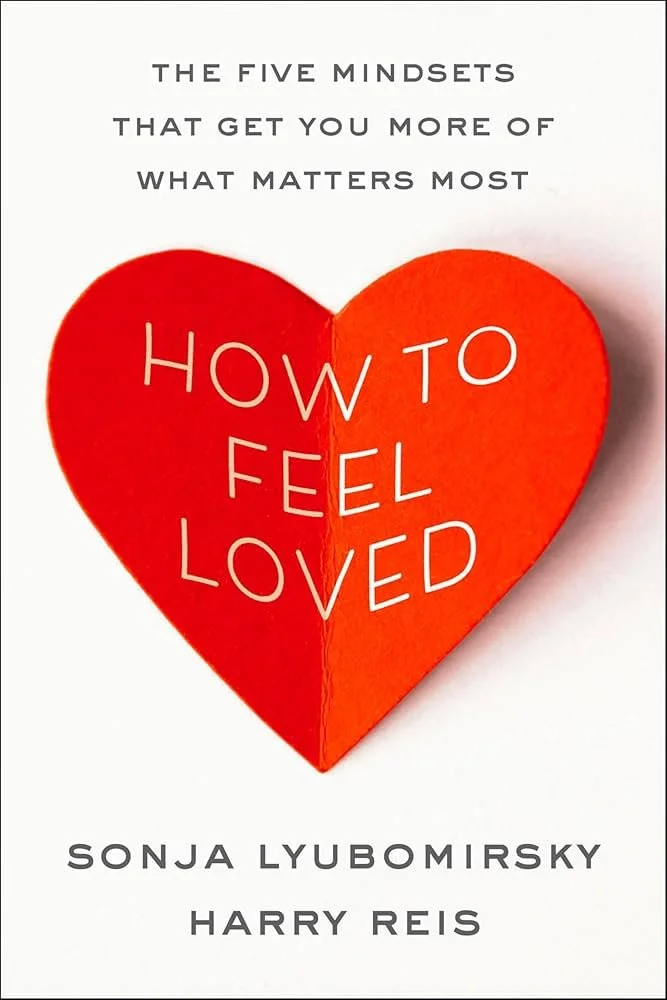
A happiness researcher and a relationship expert teamed up to write about how we can all feel more loved. They argue it’s the key to happiness.

By Maggie Penman, writing in the Washington Post (February 12, 2026)
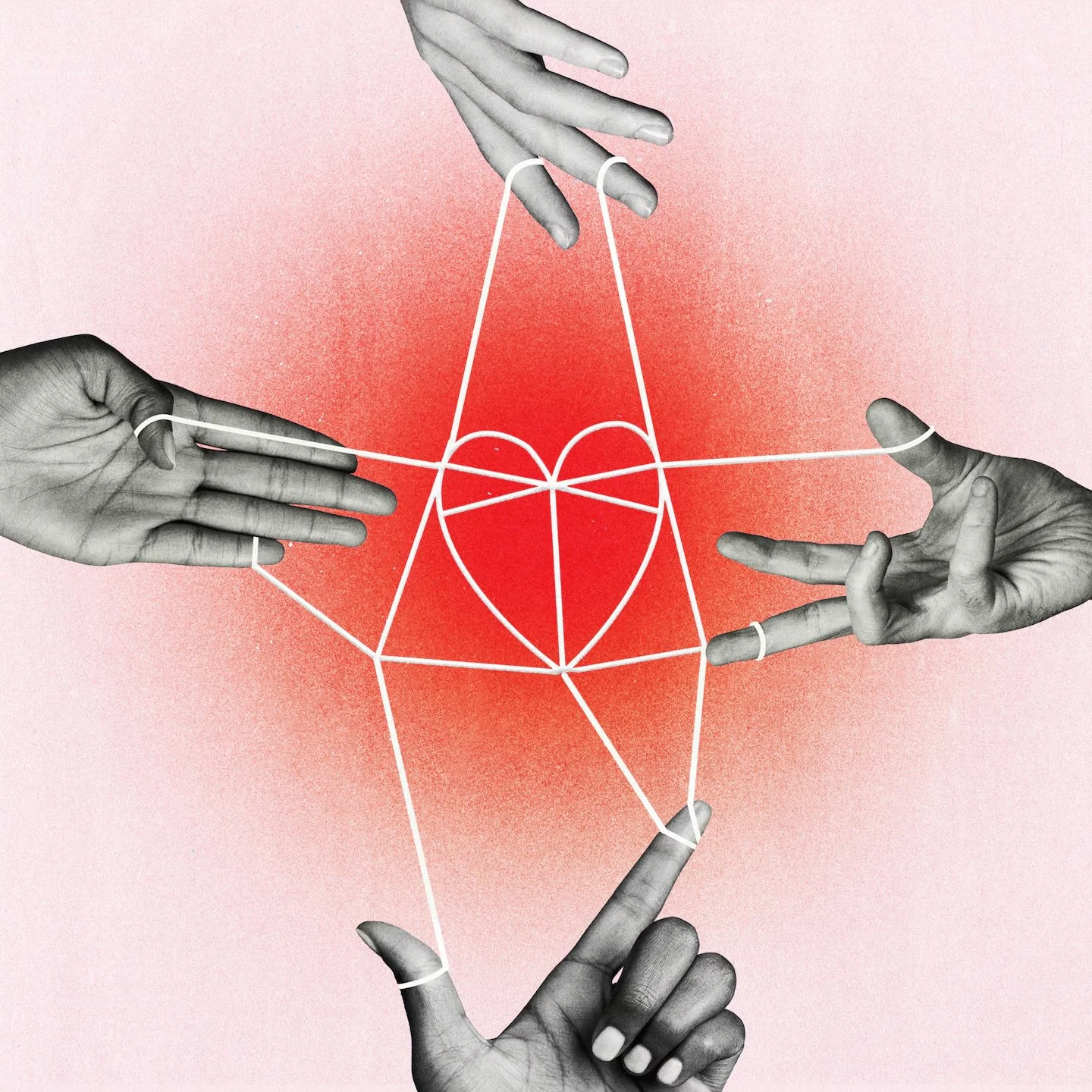
You say love is essential for our survival as a species. Why is that?

Harry Reis: If you look at humans from birth, what are your chances of surviving if you don’t have someone to care for you? You have no chance at all. Humans have a very long period of requiring that others take care of them. It turns out this is true not just for infants and children; this is true for adults, as well. We humans do much better when we’re embedded in a social network, when we feel like we belong, when we feel like we’re connected to other people. When we’re isolated and lonely, our work suffers, our mental health suffers, we even know that people die earlier when they don’t have this sense of belonging.

Sonja Lyubomirsky: A lonely moment is a moment when you’re not feeling loved. It’s like an evolutionary signal that something needs to be repaired, that your social bonds are not as strong as they need to be. And it’s a really important signal. In the past we might’ve died if we were lonely. And today it almost feels like you’re dying when you’re not feeling loved, when you’re feeling lonely.

Read the rest of the article
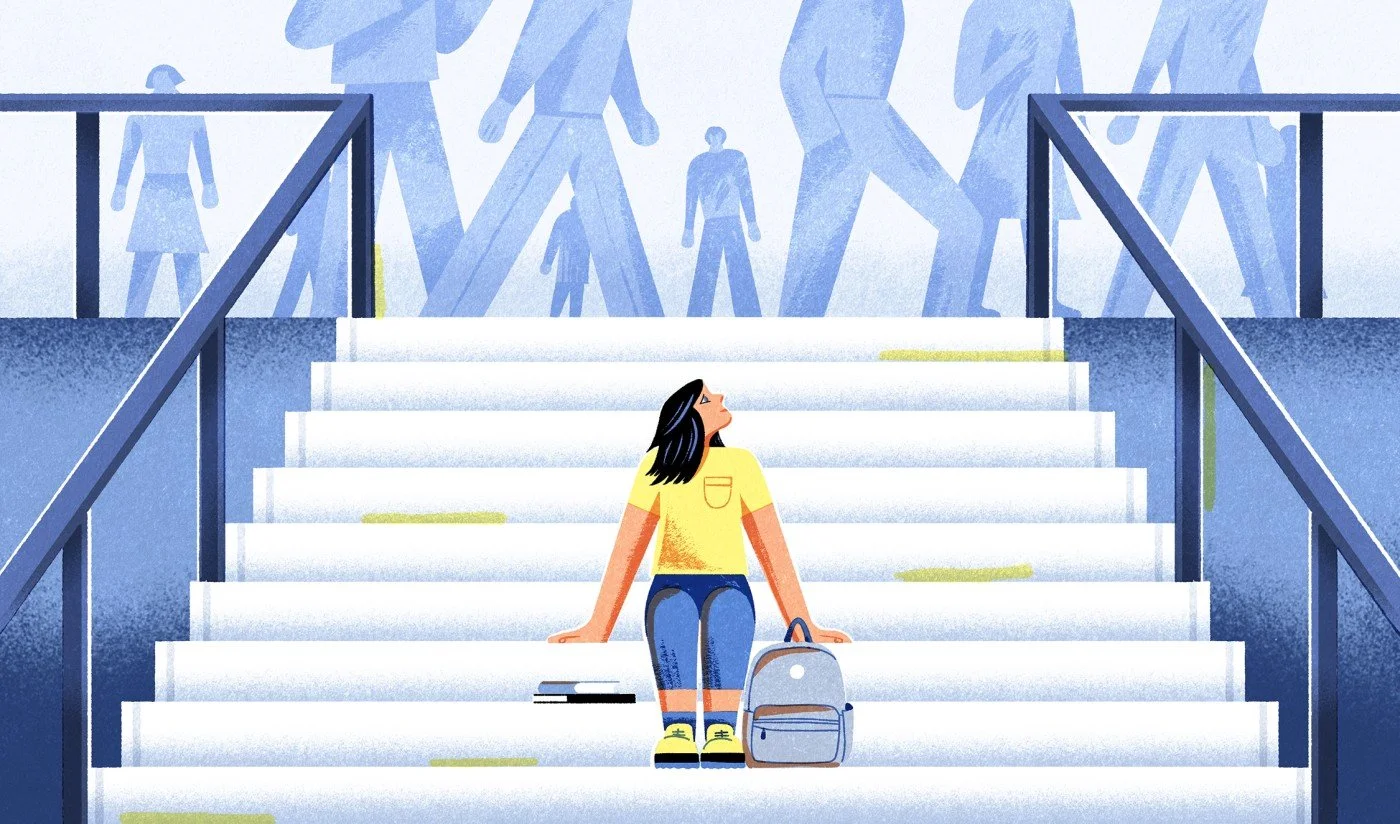
A New Antidote for Youth Loneliness: Sharing Data About the Kindness of Others

It turns out that we routinely underestimate the friendliness of the people around us.

By Jamil Zaki and Rui Pei, writing in the Wall Street Journal (November 21, 2025)

MAR HERNÁNDEZ

The college years once ranked among the happiest times of most people’s lives, but that’s changed. Young adults face an escalating mental health crisis, fueled in part by loneliness. In 2023, 19% of young adults reported having no one they could count on, compared to less than 14% in 2006. When explaining this trend, it’s tempting to turn to stereotypes: phone-addled, self-obsessed kids these days have forgotten how to connect.  

A new study from our lab tells a different story. We surveyed thousands of students at Stanford University, where we both work, and discovered two different schools. The first Stanford was made of real students, who defy tidy put-downs of “kids these days.” Undergraduates were near the top of the scale in empathy. Ninety-five percent said they would help peers who were feeling down, and nearly 90% wanted to befriend students they didn’t know. The second Stanford was a colder, pricklier place that lived inside students’ minds. Students vastly underestimated how empathic, kind and friendly their average peer was. 

This “empathy perception gap” didn’t stay in students’ heads. Undergraduates who thought the least of their peers also asked the least of them. They were less likely to strike up conversations with classmates or confide in dormmates. This, in turn, predicted loneliness, isolation and unhappiness. 

Read the rest of the article

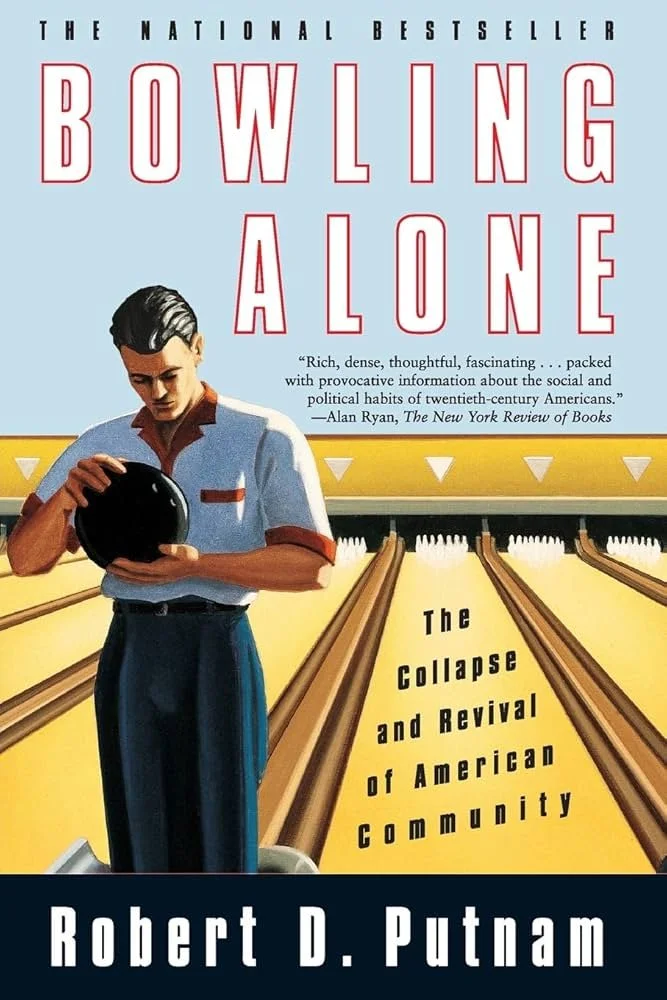
Announcing the 2025–2026 Critical Engagements Theme: Bowling Alone

The College of Liberal Arts and Social Sciences has announced that the 2025–2026 Critical Engagements theme is “Bowling Alone.” Twenty-five years after the publication of Robert Putnam’s book of the same name, we’ll explore how community, loneliness, civic life, and our neighborhoods have continued to witness dramatic changes. →Details, events, and resources